
Education first, always.
How to Wash Your Scalp Properly
Prepare → Apply → Massage → Rinse.
Most people wash their hair. Very few wash their scalp. This is the method we teach in the studio, and it costs nothing to correct today.
Track 02 — Habits · 4 min read
Step 01
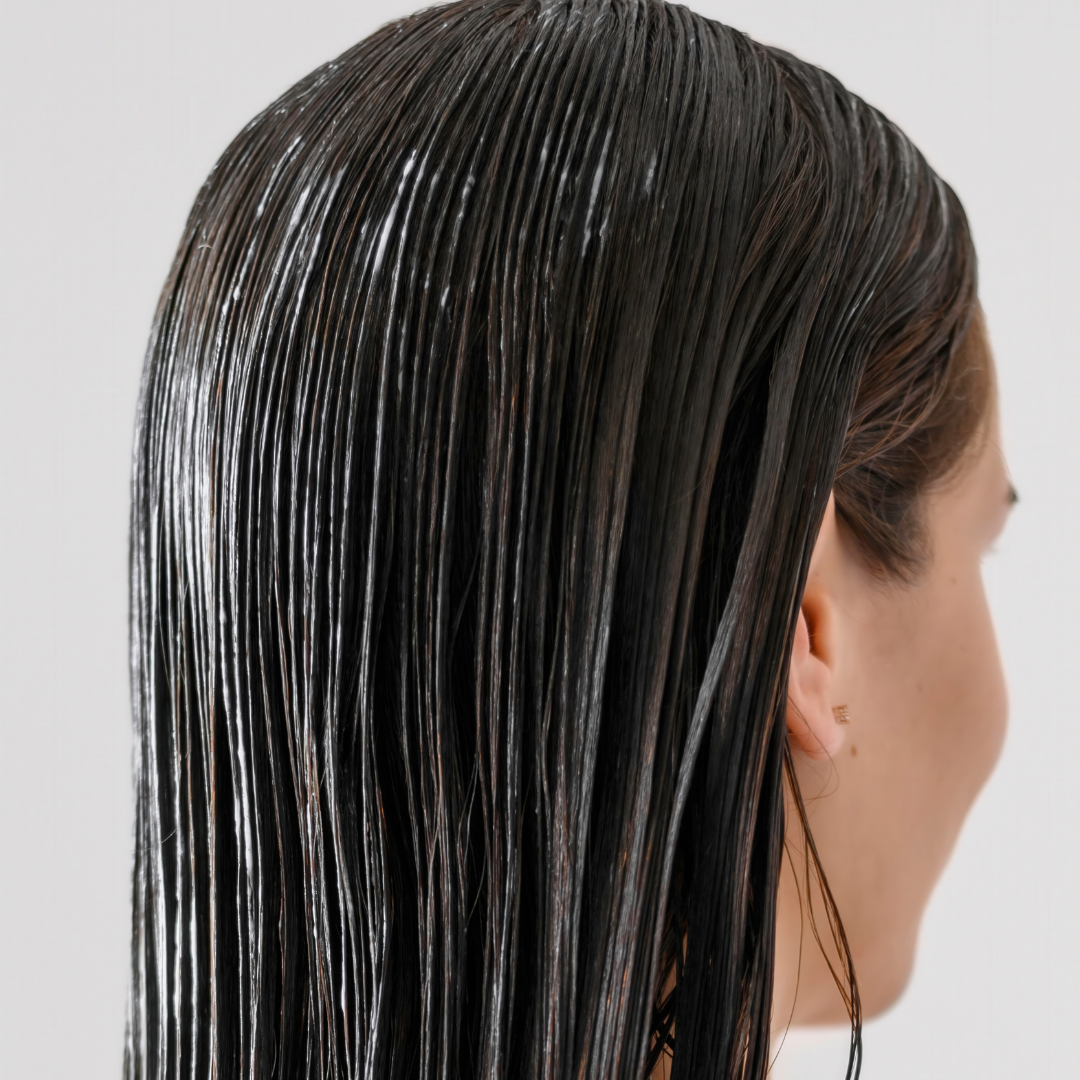
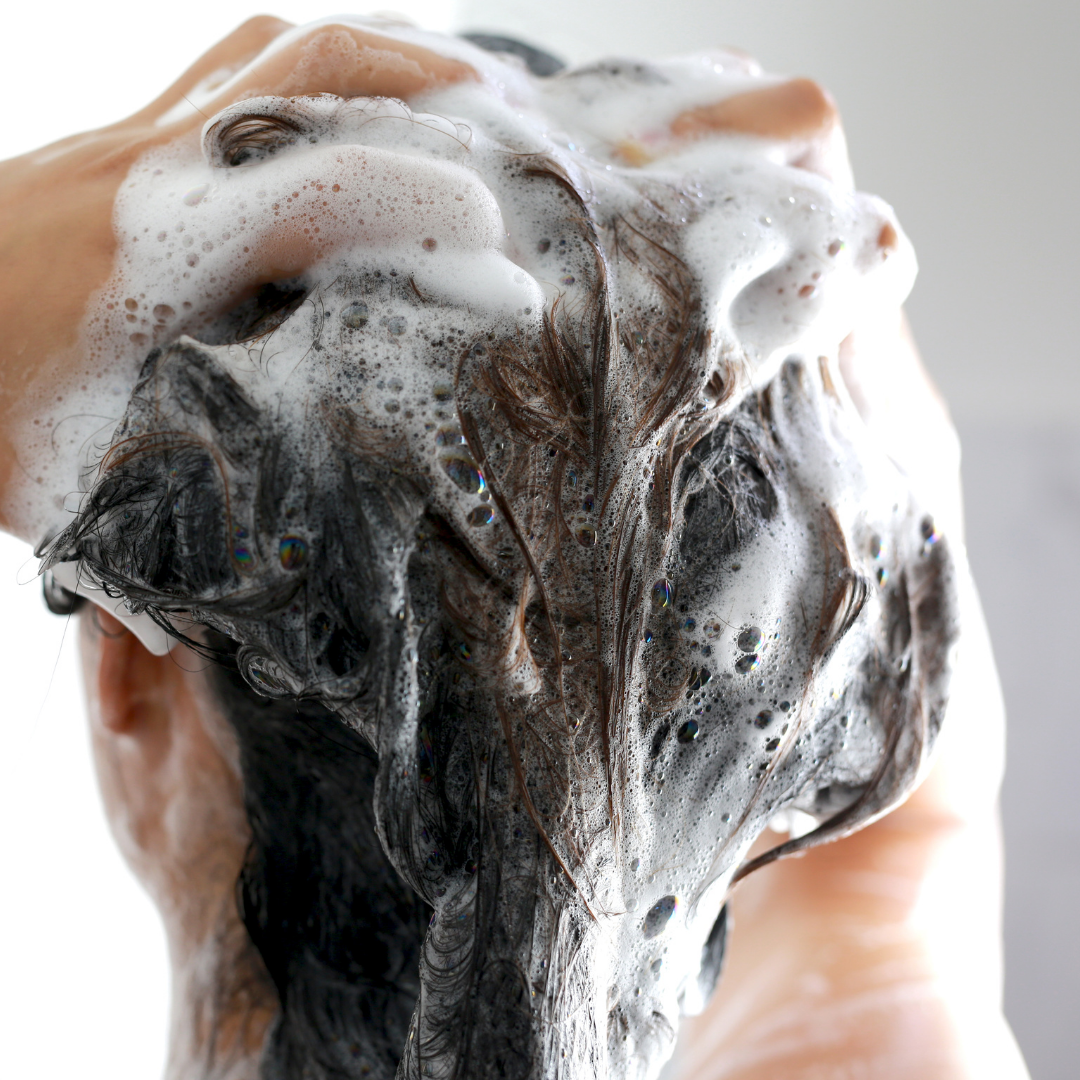
Prepare — lukewarm water, never hot
Wet the hair and scalp thoroughly with lukewarm water. Hot water can leave the scalp dry and reactive, and it does not clean any better. Give it a good 30 seconds so the scalp is properly saturated before any product goes on.
Step 02
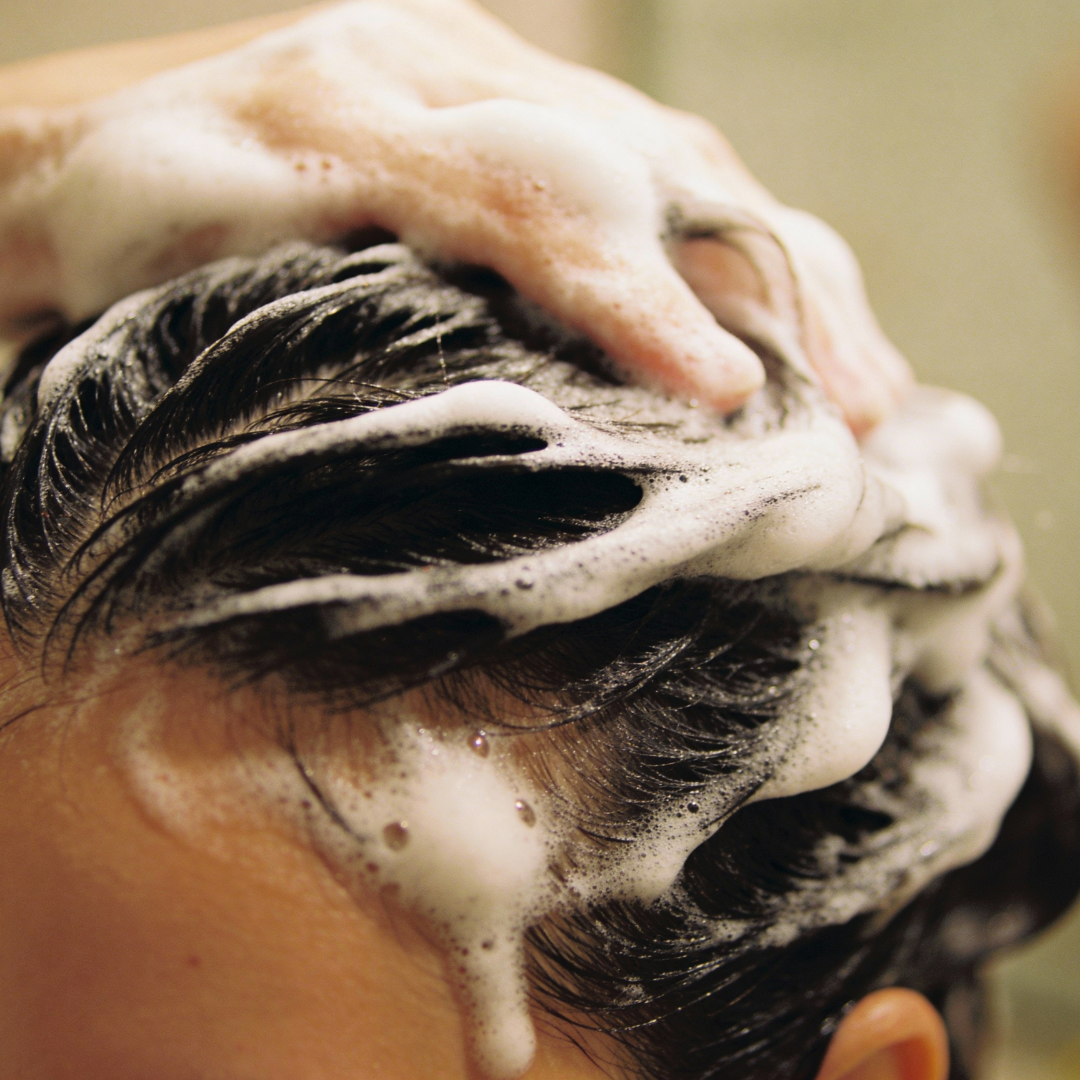
Apply — to the scalp, not the lengths
Take a small amount of cleanser and apply it directly onto the scalp in sections, not onto the mid-lengths and ends. The scalp is what needs cleaning; the lengths get cleaned by the lather as it rinses down.
Step 03
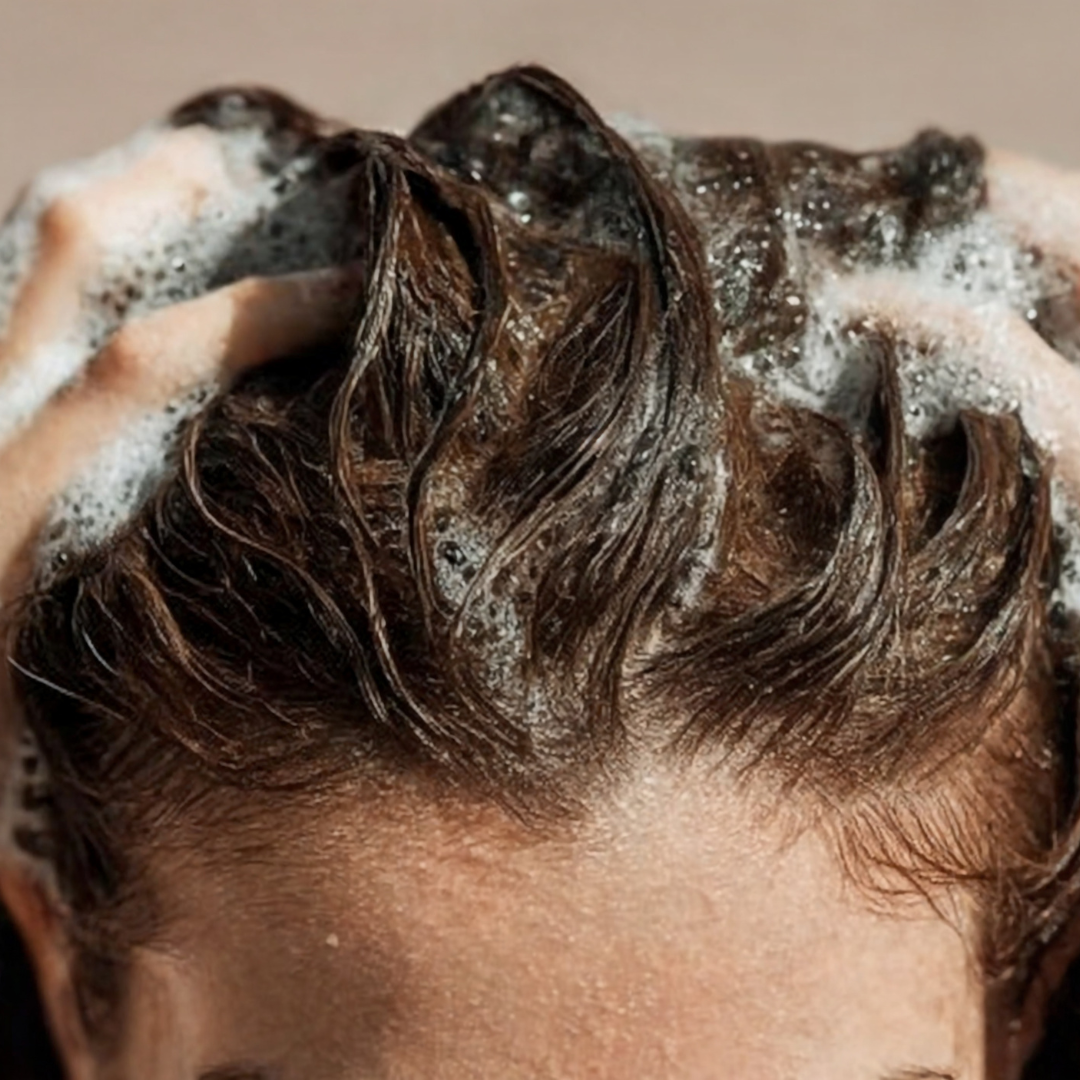
Massage — fingertips, 2–3 minutes
Use your fingertips, never your nails, and work in small circles across the whole scalp — hairline, crown, behind the ears, the nape. Two to three minutes feels longer than you expect. This is the part that lifts buildup and supports circulation.
Step 04
Rinse — completely
Rinse for longer than feels necessary, until the hair no longer feels slippery at the roots. Leftover cleanser is one of the most common causes of residue buildup, itch and a scalp that feels heavy the next day. Then dry the scalp fully — never sleep on a damp scalp.
How often?
In this climate, most people do well washing every one to two days. If your scalp is oily, sweaty or odorous by the evening, washing more frequently with a gentle cleanser is usually kinder than stretching washes and scrubbing hard.
A gentle suggestion
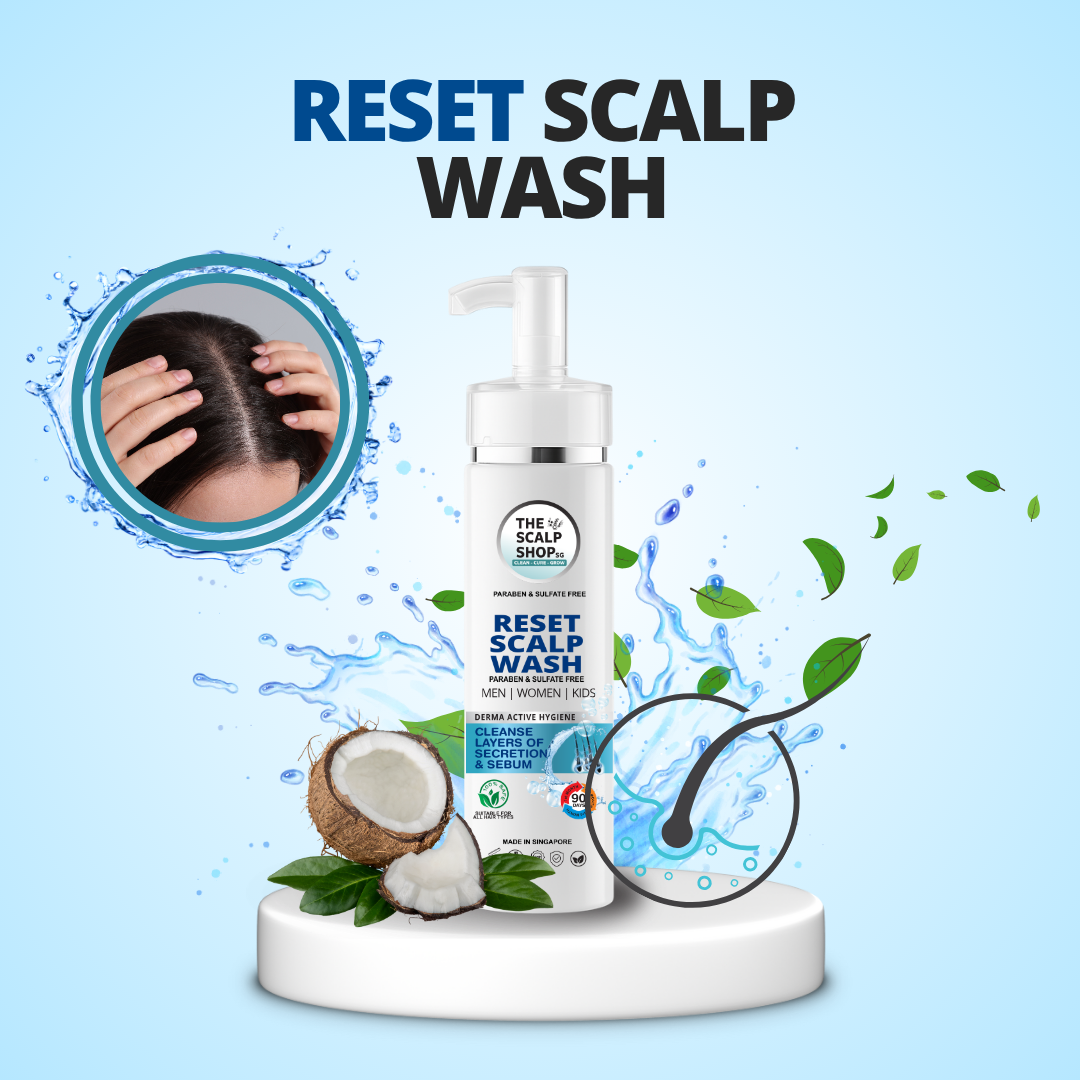
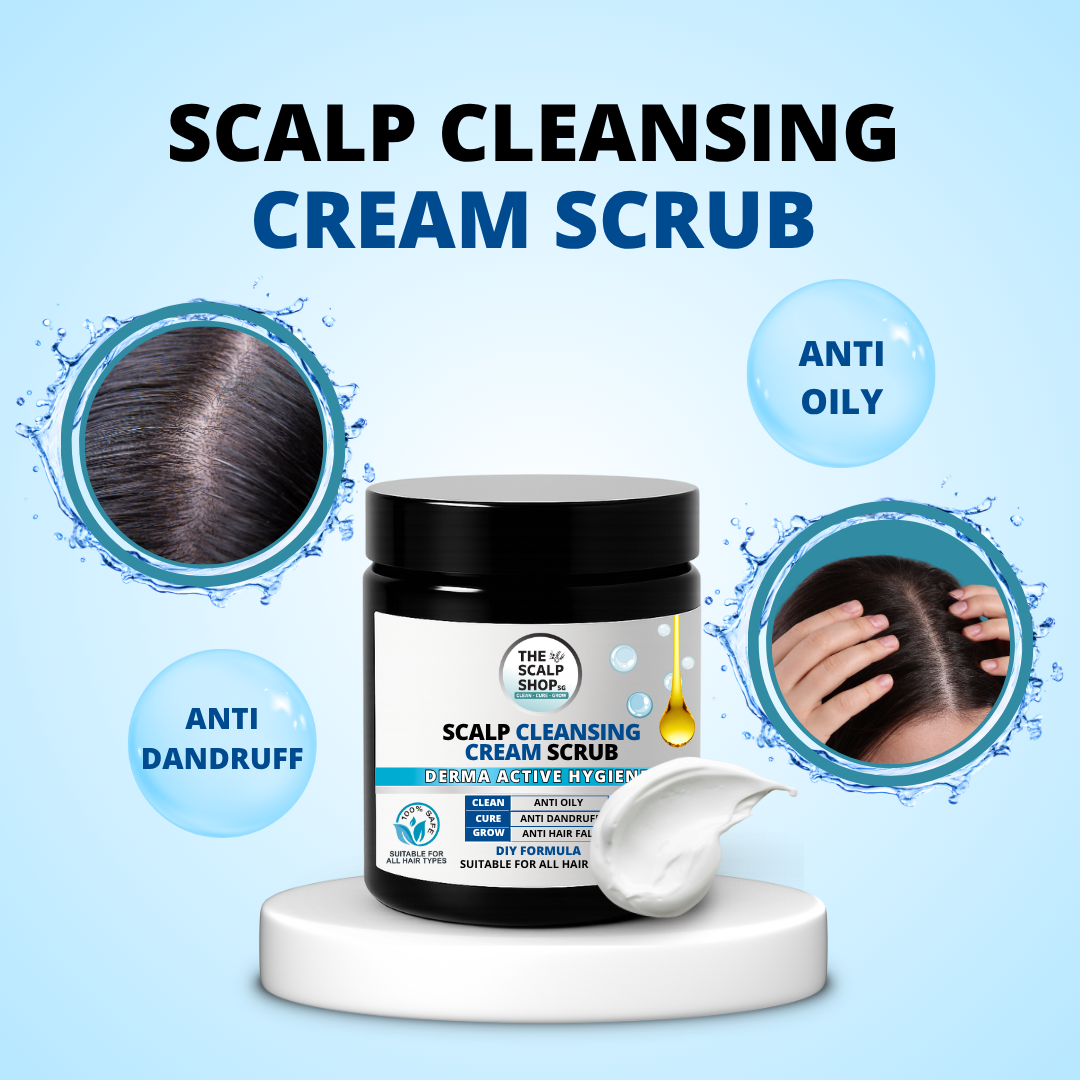
A detox wash for the routine itself, and a weekly micro-exfoliating step if your scalp still feels congested after washing.
This article is educational, not a medical diagnosis. For persistent concerns, consult a doctor or visit our studio for a professional consultation.